
Six in 10 Middle-Class Households Are Without an Adequate Plan for Long-Term Care
Sep 2, 2026



No one should have to choose between caring for a loved one and maintaining a paycheck. Yet millions of American workers still lack access to meaningful paid family and medical leave benefits when they need it most — welcoming a child, recovering from injury, or managing illness for themselves or a loved one. Paid leave should be simple and utilize existing public and private infrastructures to offer the fastest, most cost-effective path to closing that gap. The More Paid Leave for More Americans Act (S.5017) is a step in the right direction and creates an opportunity to recognize the importance of and build on this partnership.
The private sector is uniquely positioned as the stakeholder group that has delivered paid leave benefits at scale for almost a century, with nearly 67 million Americans having access to employer-based short-term disability coverage.
In 2024 alone, life insurers and employers paid out $8.6 billion in paid leave benefits.
A partnership building on this infrastructure rather than starting from scratch is essential — reaching more workers efficiently and effectively. The recently made-permanent federal Paid Family and Medical Leave Tax Credit reinforces the benefits of a public-private partnership, giving employers a proven financial incentive to tap into existing private insurance infrastructure rather than build new leave programs from the ground up.
Life insurers, employers, and the public sector each bring their own strengths to the discussion that, when combined, can extend coverage faster for American workers than any single approach. The public agrees: 75% of Americans support a partnership covering employees of small businesses and self-employed workers — the workers who most often fall through the cracks today.
The need is clear: only 31% of full-time workers in the private sector had access paid family leave in 2025. A national framework will help end the growing patchwork of state laws and regulations with no guiding federal standards. This patchwork drives up costs and creates confusion for multi-state employers and their workers. Clear federal minimum standards can set the floor while allowing states to determine the approach that best fits their workers, employers, and budgets.
Workers who rely on private insured coverage report high satisfaction and real security — 92% of short-term disability claimants are satisfied, and 86% say those benefits protected them financially. Life insurers have delivered paid leave benefits for nearly a century, giving them unmatched expertise in administering leave and navigating the intersection with requirements under the federal Family and Medical Leave Act and additional state and local requirements.
Now more than ever, America’s caregivers need protection from economic loss when they take off work to care for a loved one. Life insurers stand ready to partner with policymakers to pursue approaches that ensure expanded access to paid leave for all Americans while ensuring a return-to-work path. Congress’s continued, bipartisan commitment to measures like the Paid Family and Medical Leave Tax Credit and the More Paid Leave for More Americans Act shows that expanding access to paid leave remains a shared priority.
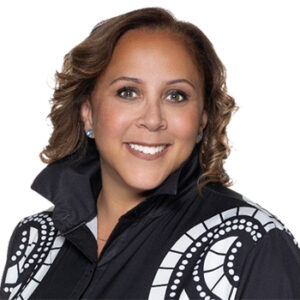
Lauryl Dodson is Vice President, Federal Relations for Financial Income Security and Diversity & Inclusion for the American Council of Life Insurers (ACLI). Prior to joining ACLI in January 2020, she led government affairs strategy for the priorities of the pharmaceutical industry.

Steven Ferenczy is Assistant Vice President, Paid Leave Policy & Implementation at the American Council of Life Insurers (ACLI), where he works to develop policy positions regarding Paid Family Medical Leave (PFML) at the state and federal levels and works with regulators and members to implement statutory PFML programs. Prior to joining ACLI, Steven worked on the broker side where he built out a leave and absence compliance practice working with employers of all sizes across the United States and also was in private practice at a national labor and employment law firm.